- Преподаватель: Babeshko Kirill
- Преподаватель: Yakimov Basil
The course is designed for first-year master’s students of the Faculty of Biology majoring in Ecology and Management of Global Environmental Changes. It aims to develop the language skills necessary to function in academic and professional settings. The course comprises materials from leading, internationally recognized textbooks for teaching English, as well as teacher-developed materials that utilize authentic scientific and popular-science English-language audio, video, and textual resources. Various topics proposed for discussion will help develop students’ reading, listening, speaking, writing, analytical, and critical thinking skills. The course is based on interactive educational technologies (pair work, small group work, and group discussions) that involve active student engagement not only with the instructor but also with each other, thereby fostering improvement in English language skills.
- Преподаватель: Iurkova Natalia
- Преподаватель: Babeshko Kirill
- Преподаватель: Gongalsky Konstantin
- Преподаватель: Ivanovskii Aleksandr
- Преподаватель: Kriuchkov Nikita
- Преподаватель: Plotnikov Andrei
- Преподаватель: Saldaev Damir
- Преподаватель: Tsyganov Andrey
- Преподаватель: Yakimov Basil
- Преподаватель: Zaytsev Andrey
- Преподаватель: Есаулов Антон
- Преподаватель: Babeshko Kirill
- Преподаватель: Isaev Vladislav
- Преподаватель: Ivanovskii Aleksandr
- Преподаватель: Kriuchkov Nikita
- Преподаватель: Ndayishimiye Jean Claude
- Преподаватель: Plotnikov Andrei
- Преподаватель: Yakimov Basil
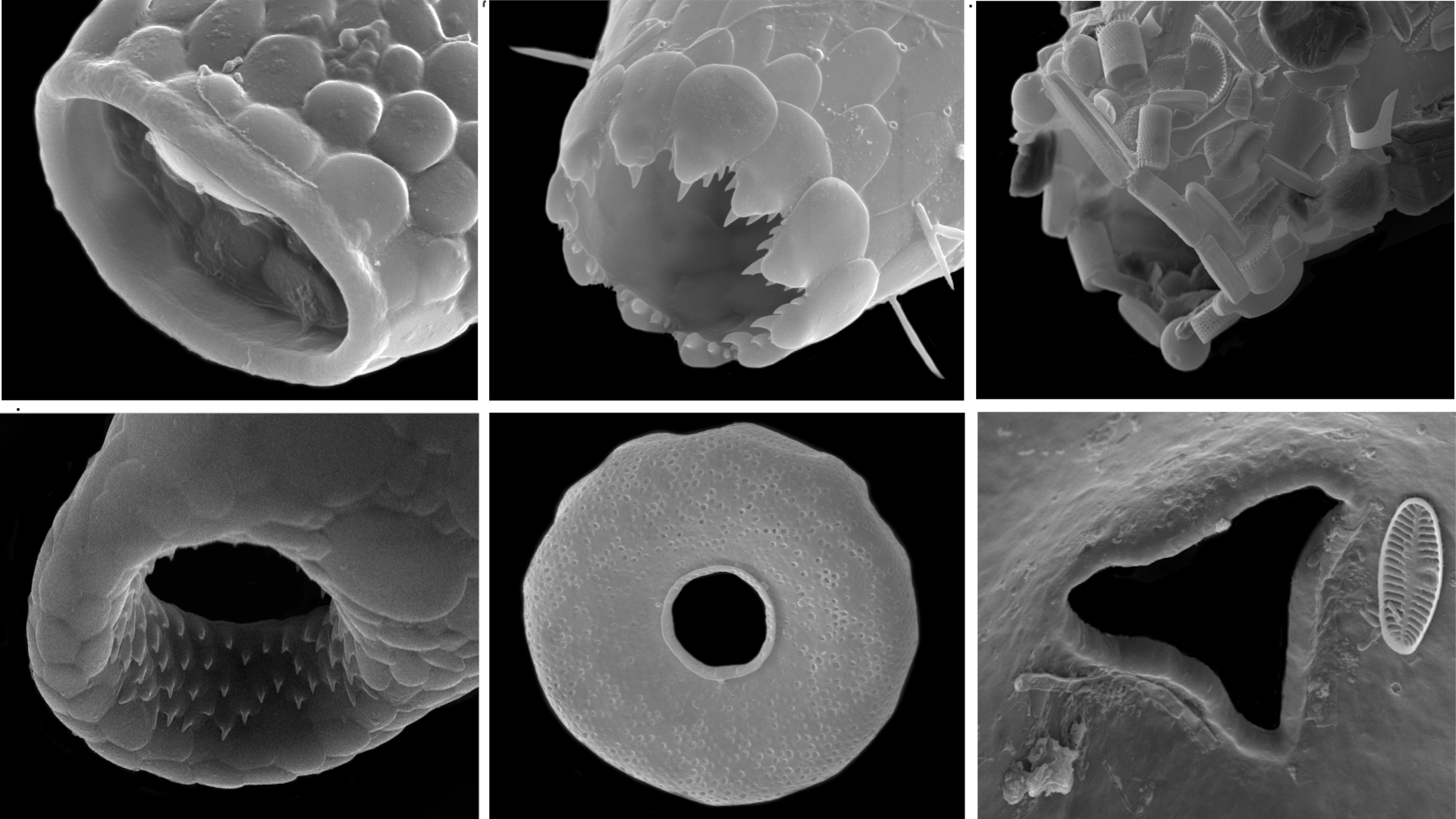
The course is aimed at the formation of practical skills necessary for the completion of the final qualification work (Master's thesis), as well as in work after graduation from the EcOne program
- Преподаватель: Babeshko Kirill
- Преподаватель: Isaev Vladislav
- Преподаватель: Ivanovskii Aleksandr
- Преподаватель: Kriuchkov Nikita
- Преподаватель: Ndayishimiye Jean Claude
|
Ocean as a system: currents, relief and biota. Global system of currents. Large oceanic circulation. Temporal and spatial scales of currents and cycles. Stommel’ diagram. Bottom relief and sediments. Factors that structure the biota in the Ocean: light, temperature, salinity, oxygen, hydrogen sulfate, nutrients. Environmental gradients along the latitude and depth. Distribution of life in the Ocean. Plankton, nekton, benthos. Elements of biogeography: latitudinal and bathymetric zonation of plankton and benthos. Biodiversity hotspots. Freshwater biogeography. Diversity of aquatic life. Diversity of marine life. Different ways to structure the diversity. Taxonomic systems and their development. Main taxa of Metazoans and their distribution in aquatic systems. Size spectra, trophic guilds and biological traits – different approaches for classification of the diversity. Life along the salinity gradient. Remane’ diagram and Khlebovitch’ “critical salinity concept”. Taxonomic shifts along the salinity gradient and the origin of fresh-water fauna and flora. Main taxa of fresh-water fauna. Primary production. Photosynthesis and Chemosynthesis. Autotrophs and heterotrophs. Phytoplankton. Macrophytes. Microphytobenthos. Distribution of primary production in the Ocean. Hydrothermal vents. Chemosynthesis in ecosystems. Symbiotrophy. Particular organic matter (POC) and dissolved organic matter (DOC). Food webs in the Ocean. Seasonal dynamics of primary production on latitudinal gradient. Production in fresh water ecosystems. Trophic state index and eutrophication. Plankton communities. Size spectrum. Phytoplankton and zooplankton. Life cycles. Succession in plankton communities. Spatial structure of plankton in relation to hydrology. Fresh water plankton. Pleuston. Benthic communities. Size spectrum: micro-, meio- and macrobenthos. Infauna and onfauna. Fouling communities. Fresh-water systems. Human influence on aquatic systems. History and modern problems. Fishery and aquaculture. Pollution and eutrophication. Transformation of coastal zone. Expansion to the deep. Introduction and invasions. Marine protected areas. Applied marine and fresh-water ecology. |
- Преподаватель: Mazei Yuri
- Преподаватель: Ndayishimiye Jean Claude
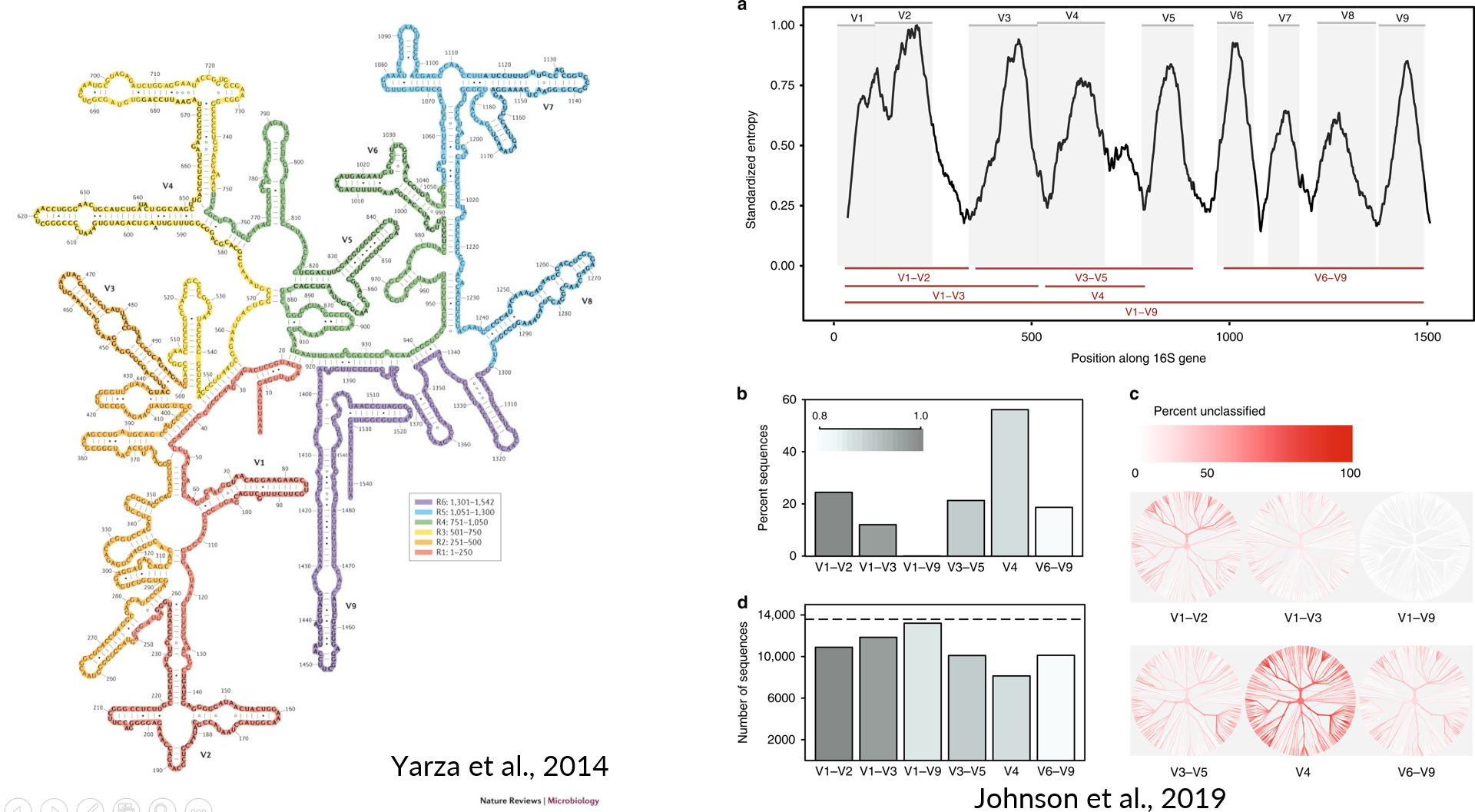
Increasing body of biological data raises the question of its storing and analysis. The scope of Bioinformatics and Computer Technologies course is study of approaches and tools for data analysis (treatment, classification, visualization, storage, etc.) as well as applying computer technologies for biological tasks. The course is addressed to main issues of current bioinformatics including (i) bases of bioinformatics and molecular biology, analysis of biological sequences (ii); sequencing of nucleic acids and bioinformatic treatment of sequences obtained (iii); molecular phylogenetics; (iv) molecular ecology and DNA metabarcoding. Special attention is paid to ecological applications of bioinformatics and molecular ecology, e.g. analysis of populations, evaluation of biodiversity, molecular barcoding and metabarcoding. The goal of the course is to introduce students to main branches of current bioinformatics, and to acquire skills of computer technologies application in treatment of biological sequences (nucleic acids and proteins).
- Преподаватель: Plotnikov Andrei
- Преподаватель: Балкин Александр
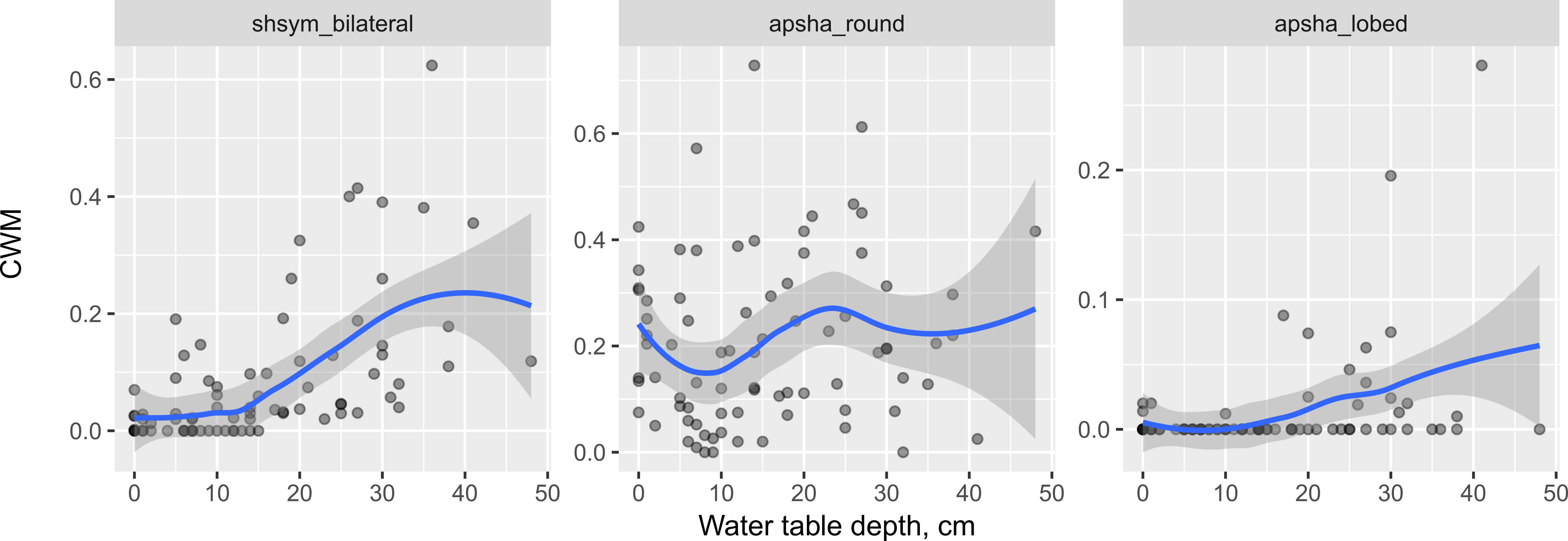
The course “Statistical methods in ecology” gives an introduction to the main statistical approaches and methods used in ecological research and prepares students for the work on their master thesis. The practical part of the course introduces statistical computing language R and provides the experience in using R to screen and adjust data, conduct classic one-and two-sample tests, correlation analysis, liner regression, analysis of variance, data visualization and multivariate analysis. The general aim of this course is to introduce students into the world of statistics in ecology and biodiversity conservation.
The course is taught be practical classes and home tasks. Students will receive full information on the compulsory course components in the course outline.
- Преподаватель: Plotnikov Andrei
- Преподаватель: Tsyganov Andrey
- Преподаватель: Балкин Александр
- Преподаватель: Mazei Yuri
- Преподаватель: Saldaev Damir