This course introduces first-year biological students to Python programming fundamentals, emphasizing practical application and problem-solving. It is designed to build a solid foundation in computational thinking and coding skills, preparing students for more advanced topics in the modeling of biological systems in their second year.
Students will learn the core components of Python, including syntax, control structures, data types, functions, and essential libraries. The course also covers basic data structures and algorithms, with an applied focus on tasks relevant to biological data analysis and visualization. Through a combination of theoretical instruction and hands-on exercises, students will gain experience writing efficient, readable code and applying it to solve real-world problems in biology.
By the end of the course, students will be able to:
- Understand and use Python’s key features and data structures.
- Write, test, and debug Python scripts for basic analytical tasks.
- Apply programming skills to analyze, process, and visualize biological data.
- Develop the computational mindset needed for advanced courses in bioinformatics and systems biology.
- Преподаватель: Renfei Ma
Broadly speaking, bioinformatics is data analysis for the life sciences. Bioinformatics is interdisciplinary: it uses methods from computer science, statistics, and mathematics and applies them to problems in biology. Users and developers of bioinformatics methods represent all these areas. Molecular biologists are among the main users of bioinformatics, but its methods are applicable in a number of life sciences. Other users include geneticists, microbiologists, biochemists, plant and agricultural scientists, medical researchers, and evolutionary researchers. The continued exponential growth of data for the life sciences is both the main problem and the rationale for bioinformatics in the 21st century.
- Преподаватель: Valery Novoseletsky
- Преподаватель: Валерий Новоселецкий
The Cell Biology and Histology course provides a detailed understanding of the structure and function of cells and tissues, emphasizing the molecular mechanisms that govern cellular activities. The lecture component will cover essential topics such as cell structure, organelles, the cell cycle, cell signaling pathways, and tissue organization. Students will learn how these systems interact to maintain cellular homeostasis. Additionally, the course will explore the histological characteristics of various tissue types, including epithelial, connective, muscular, and nervous tissues.
In the practical component, students will develop skills focused exclusively on the analysis of microscopic slides. Through guided sessions, students will examine pre-prepared histological slides to observe cellular and tissue structures. They will learn to identify different cell types and tissue classifications by analyzing the morphological characteristics visible under the microscope. The focus will be on understanding how histological features relate to the function of tissues in different organs, enhancing students' diagnostic and analytical capabilities.
By the end of the course, students will have a solid foundation in both the theoretical concepts and practical skills necessary for analyzing tissue samples. The course aims to equip students with the ability to interpret microscopic images effectively and relate cellular structures to their biological functions. This knowledge will be valuable for advanced studies in biology, medicine, and related fields, as well as for careers in biomedical research, diagnostics, and healthcare.
- Преподаватель: Elizaveta Akoulina
- Преподаватель: Elena Smirnova
- Преподаватель: Алина Саидова
- Преподаватель: Aleksandr Ivanovskii
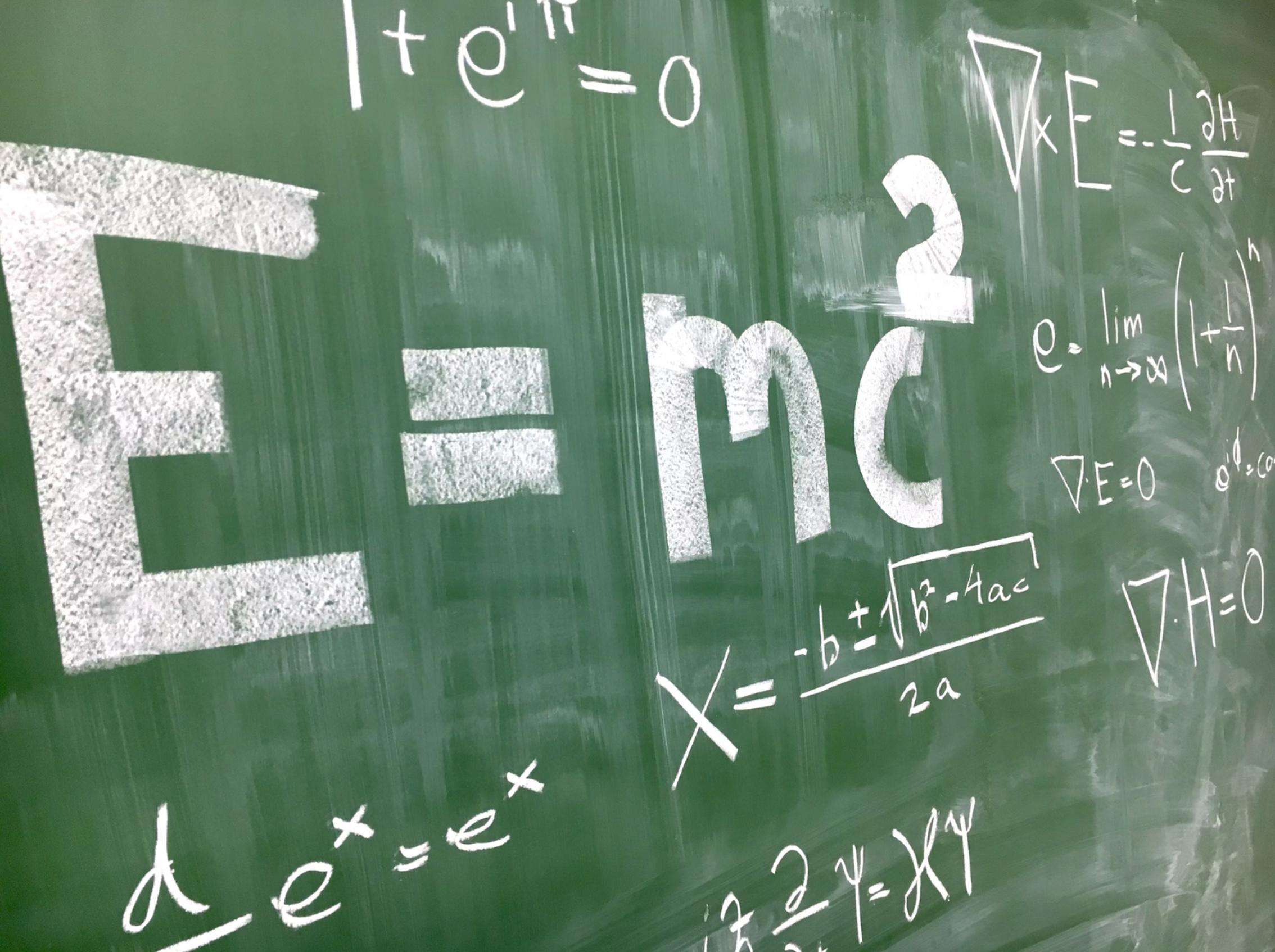
The course is aimed at strengthening the knowledge in fundamental laws of physics and their applications in the area of biology. The course builds problem solving skills, develops skills of using fundamental knowledge in the field of physics to study biological objects.
Course is dedicated for bachelor students at the department of biology, whose specializing in ``Chemistry'', ``Physics'', ``Chemical origins of life'', and ``Biophysics''. The course will help develop the knowledge in the following areas of physics: Mechanics, Waves and Optics, Thermodynamics, Electricity and Magnetism, and Modern Physics. This course will develop fundamental understanding in physics, solving relevant problems, and apply this knowledge in areas of biology.
- Преподаватель: Konstantin Klementyev
- Преподаватель: Valery Novoseletsky
- Преподаватель: Oleg Popov
- Преподаватель: Валерий Новоселецкий
- Преподаватель: Alexander KIM
- Преподаватель: Полина Миляева
- Преподаватель: Tolbert Osire