The discipline "Protein Engineering" was developed to the students with
the basic knowledge of the molecular biology and protein engineering
approaches for the production of complex biomolecules and their
investigation by methods of molecular and structural biology.
The discipline forms in students’ complex competencies in the field of
nanobiotechnology, including comprehension of applicability of protein
engineering methods for the studies of biological objects, such as
macromolecules and also for processing, analysis and synthesis of
information about modern achievements in molecular and structural
biology.
Study the discipline "Protein Engineering" provides the students the
knowledge about modern methods of biomacromolecules production in
various expression systems, methods of isolation, purification and
refolding of globular and membrane proteins.
The discipline covers issues related to the application of methods of rational
design and directed evolution for protein studies. Also issues regarding
studying of the functional activity of proteins in various systems, including in
vivo approaches in cells and whole organisms, are considered in details. The
course highlights the advantages of the integrated interdisciplinary approach
in solving problems of molecular and structural biology.
- Преподаватель: Mikhail Shulepko
AIM
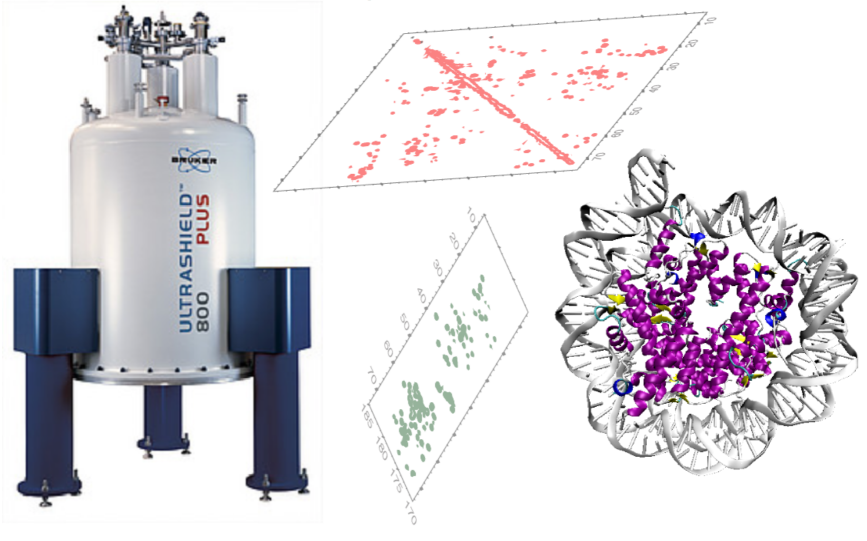
The aim of this course is to provide students a deeper understanding of NMR and to prepare them to use biological NMR at an advanced level. The course includes concepts and theory of NMR, advanced solution-state and solid-state experiments, data acquisition and signal processing, data analysis and interpretation, sample preparation and experiment strategies, and practice tasks. The application focus is on the determination of structure, biophysical properties, and molecular interactions for biological systems such as peptides, membrane proteins, protein pathogenic aggregates, nucleic acid - protein complexes, bio-inspired materials, and protein-ligand complexes.
REQUIREMENTS
Knowledge of basic NMR concepts and applications.
GRADING
Pass/Fail
LEVEL
Master's level course
CONTENTS
9 lectures +9 practice/seminar
- Преподаватель: Xiangyan Shi
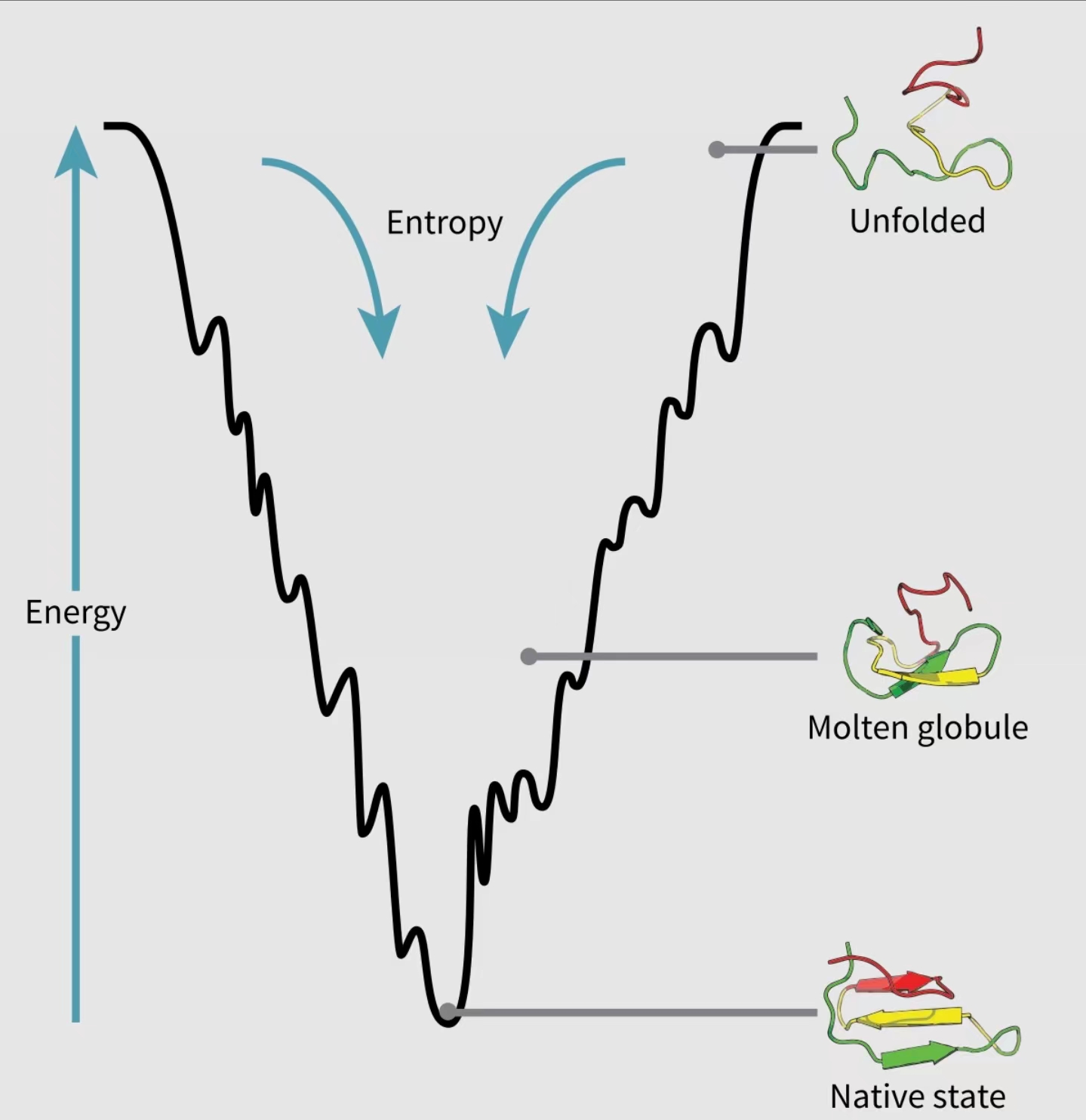
In the class "Physics of biopolymers", students get acquainted with the physico–chemical foundations of the organization and functioning of biopolymers (proteins, nucleic acids) and their complexes. The course of lectures includes elements of physics of intermolecular interactions, physical chemistry, and statistical physics required for understanding the processes of formation of the spatial structure of biopolymers and their dynamics. At the seminars, the material of lectures is fixed, theoretical problems are analyzed, and the methodology of scientific research in the field of biopolymer physics is discussed. In practical classes, students get acquainted with the methods of visualization, analysis, and prediction of the structure of biopolymers.
- Преподаватель: Erik Kot
- Преподаватель: Philipp Orekhov
- Преподаватель: Marine Bozdaganyan
- Преподаватель: Mikhail Shulepko
The objective of this course is to provide students with a comprehensive understanding of Python programming. By the end of the course, students should be able to write efficient Python code, understand the basics of data structures and algorithms, and apply Python in various practical scenarios, such as biological data analysis and visualization.
This course introduces students to the Python programming language, focusing on its syntax, data structures, and core libraries. The course is designed to build a strong foundation in programming and computational thinking, equipping students with the skills necessary to tackle real-world problems. The discipline covers both theoretical concepts and practical applications in the field of biology, enabling students to implement and test their code through hands-on projects.
- Преподаватель: Renfei Ma
- Преподаватель: Philipp Orekhov
- Преподаватель: Алина Саидова

seminar for students to present their work and the journal club
- Преподаватель: Anastasia Arkhipova
- Преподаватель: Xiangyan Shi
- Преподаватель: Olga Sokolova
The course is aimed at forming in the students uniform basic and advanced skills of laboratory practice in the fields of molecular and cellular biology, microbiology, protein expression and purification, structural biology methods
- Преподаватель: DENIS ABRAMOCHKIN
- Преподаватель: Anastasia Arkhipova
- Преподаватель: Adil Bayzhumanov
- Преподаватель: Grigory Glukhov
- Преподаватель: Konstantin Klementyev
- Преподаватель: ANDREI KOLOTVIN
- Преподаватель: Andrey Letarov
- Преподаватель: Nikita Orlov
- Преподаватель: Tolbert Osire
- Преподаватель: Liubov Popova
- Преподаватель: Olga Sokolova
- Преподаватель: Виктория Аргентова
- Преподаватель: Ольга Игоревна Бурцева
- Преподаватель: Владислав Рыбченко
- Преподаватель: Алексей Феофанов
- Преподаватель: Konstantin Miroshnikov
- Преподаватель: Алина Саидова
Neurophysiology is a branch of neuroscience that focuses on the study of the functions and activities of the nervous system. It encompasses the understanding of how electrical and chemical signals are generated and propagated in neurons, how synaptic transmission occurs, and how these processes result in the integrated functions of the nervous system. Neurophysiology bridges the gap between molecular biology and behavior, offering insights into how neural circuits control sensory perception, motor function, and higher cognitive processes. This discipline is crucial for unraveling the mechanisms underlying neurological diseases and for developing potential therapeutic interventions.
- Преподаватель: Lev Yakovlev